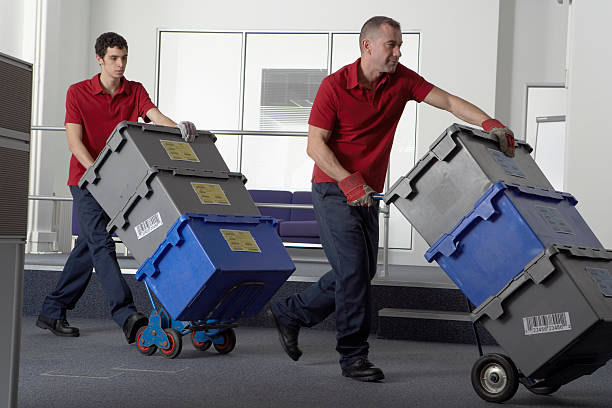
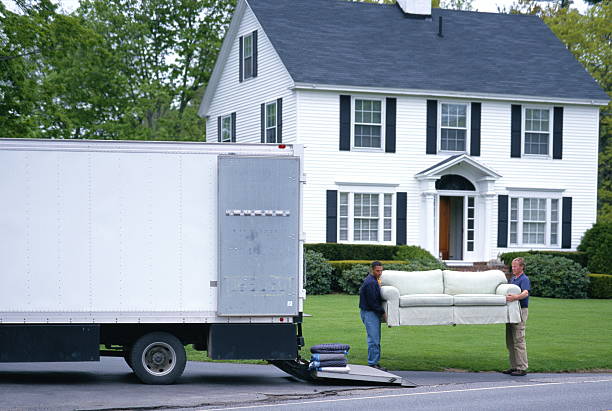
Woodland Hills sits in the southwestern San Fernando Valley within the City of Los Angeles. It borders Canoga Park and West Hills to the north, Winnetka and Tarzana to the east, the Santa Monica Mountains to the south, and Calabasas to the west. The neighborhood mixes single-family homes on tree-lined streets, hillside properties south of Ventura Boulevard, apartment and condominium communities, and the commercial hub around Warner Center.
Because Giant Movers 365 is based at 8461 Canoga Avenue in nearby Canoga Park, our crews handle Woodland Hills moves regularly. Local knowledge of street widths, hillside grades, building rules, and traffic patterns helps keep the process predictable. This guide focuses on practical steps that residents and movers actually use when planning a Woodland Hills move.
Housing and Access Patterns in Woodland Hills
North of Ventura Boulevard and around Warner Center you will find a mix of mid-century ranch homes, newer townhomes, and larger apartment complexes. Streets here are often wider than in denser parts of Los Angeles, which can make truck positioning easier when curb space is available. South of Ventura Boulevard the terrain rises into the Santa Monica Mountains foothills. Many homes sit on steeper lots with longer driveways, narrow approaches, or multiple sets of steps.
Access conditions affect both time and equipment. A ground-floor unit with a clear driveway is different from a second-floor apartment that requires an elevator reservation or a hillside house where the truck must park down the street and the crew carries items up a grade. When you request an estimate, share the floor number, number of stairs, distance from the curb to the door, and any photos of the street, driveway, or entry. These details help match the right truck size and crew.
Parking a Moving Truck in Woodland Hills
Woodland Hills is part of the City of Los Angeles, so temporary no-parking signs for a moving truck are issued through the Los Angeles Department of Transportation (LADOT) Special Traffic Control Division. The phone number listed on LADOT resources is (213) 485-2298. Hours, fees, and exact procedures can change, so call early and confirm current requirements directly with the city. Do not rely on third-party fee estimates.
A temporary restriction is useful when street parking fills quickly, the block has preferential parking or metered spaces, or you need the truck close to a narrow driveway or building entrance. The general process involves contacting the division several business days ahead (often five or more), providing the exact curb stretch, date, hours, and approximate length needed for the truck plus ramp, paying the applicable fee, and having the city post temporary signs in advance. Properly posted signs create an enforceable restriction for that window, but they do not override permanent safety zones such as red curbs, fire hydrants, or bus stops.
Many residential streets also restrict oversized vehicles—commonly those longer than about 22 feet—especially overnight where signs are posted. A standard moving truck usually exceeds these limits. Daytime loading is the normal pattern for residential moves. Measure the curb length you need and share it with both your mover and LADOT. For a fuller explanation of the city process, see our guide to temporary parking permits for moving trucks in Los Angeles and the San Fernando Valley.
If a reserved spot is not possible, discuss alternatives during the estimate: staging items near a legal temporary location, using a smaller vehicle for the final approach on a tight street, or shifting the start time. Long carries add labor time on hourly local moves, so a close, legal parking position is one of the more practical ways to manage cost.
Apartment, Condominium, and HOA Requirements
Larger apartment and condominium buildings in Woodland Hills, especially near Warner Center and along Ventura Boulevard, commonly require elevator reservations and a Certificate of Insurance (COI) from the moving company. Building management sets the allowed days, time windows, and protection standards for floors and walls. These rules are independent of any city street permit.
- Contact property management at both the current and new buildings as soon as you have a target date. Ask about allowed move days and hours, whether a freight elevator must be reserved, and what insurance documentation they need.
- Share the COI requirements with your mover early so the paperwork can be prepared. Many buildings need the certificate submitted days or weeks ahead.
- Confirm loading areas, any deposits, and rules about protecting common areas.
- Note whether the elevator is large enough for your largest furniture pieces or whether items will need to be angled or partially disassembled.
Some HOA communities also limit commercial vehicles in common parking areas. Check the specific rules for your complex. Our earlier post on elevator reservations and Certificates of Insurance for apartment moves in the San Fernando Valley walks through the typical steps in more detail.
Hillside Homes and Driveway Access
Homes south of Ventura Boulevard and in pockets near the Santa Monica Mountains can involve steep driveways, limited turnaround space, or long carries from the street. A full-size moving truck may not fit safely on every approach. In those cases a smaller truck or a combination of truck and shuttle may be more practical. Mention any grade, narrow street, or gate access when you request the estimate, and include photos if possible.
Gated communities or properties with restricted entry need advance arrangements so the crew can reach the house without delay. Clear the path of parked cars, debris, and low-hanging branches before move day. These small steps reduce waiting time that would otherwise appear on an hourly bill.
Traffic Timing and Local Drive Patterns
Woodland Hills is served by the 101 Freeway and Ventura Boulevard, with Topanga Canyon Boulevard providing a north-south link. Traffic on the 101 and along Ventura Boulevard can slow significantly during weekday morning and afternoon peaks. Moves that cross the Valley or head toward the Westside often involve the Sepulveda Pass or other congested corridors.
Earlier starts frequently help avoid the worst congestion. Mid-week dates (Tuesday through Thursday) tend to be less busy than month-end weekends. If your move involves both a Woodland Hills address and a destination farther east or over the hill, factor realistic drive time into the schedule. Under California’s Maximum Rate Tariff 4, the billable time for an hourly local move includes actual loading and unloading time plus double the driving time between the two addresses. A short actual drive still gets doubled, so traffic delays add up. Our post on understanding Double Drive Time for local moves in the San Fernando Valley explains the calculation with examples.
Packing and Preparation Tips
Efficient packing reduces the time the crew spends on site. Use medium boxes for heavier items such as books and keep larger boxes for lighter contents. Label each box clearly with the room and a brief contents list. Disassemble furniture that can be safely broken down, and set aside hardware in labeled bags. Clear hallways and doorways so the crew can move freely.
In the cooler months, watch the forecast for rain. Have tarps or plastic sheeting ready to protect items during loading if showers are expected, and confirm that utilities are active at the new address before arrival. Keep essential items (medications, documents, chargers, a change of clothes, and basic tools) in a separate bag that stays with you rather than on the truck. For more detailed packing guidance tailored to the Valley, see our practical packing strategies for local moves in the San Fernando Valley.
If lease dates create a gap, temporary storage can bridge the period. Options include self-storage units, portable containers, or short-term storage arranged through a mover. Discuss timing and access needs early so placement and retrieval fit your schedule. Our guide to temporary storage during local moves in the San Fernando Valley covers the common approaches.
Understanding Local Moving Costs
At Giant Movers 365, local moves in the San Fernando Valley and Los Angeles are priced at $129 per hour for two movers and a truck or $164 per hour for three movers and a truck, with a three-hour minimum. Additional time after the minimum is billed in 30-minute increments. These rates are examples of our current local pricing; your written estimate will list the exact rates, any applicable charges, and the terms for your specific move. Stairs, long carries, packing services, and Double Drive Time all affect the total hours.
A two-person crew typically handles studios, one-bedroom apartments, and smaller inventories. A three-person crew is usually more efficient for larger apartments, houses, or moves with substantial furniture and stairs. Providing an accurate inventory and access details up front helps produce a realistic estimate of the time required.
Ready for Your Woodland Hills Move?
Planning around parking, building rules, hillside access, and local traffic makes a Woodland Hills move more predictable. Confirm current LADOT requirements and fees directly with the city, arrange elevator reservations and Certificates of Insurance early if you are in an apartment or condo, and share access details when you request your estimate.
Giant Movers 365 is a licensed California moving company (MTR 0192654) based in Canoga Park. We provide local residential, apartment, and office moves throughout Woodland Hills and the San Fernando Valley, along with packing and temporary storage options. Call 310-988-5051 or visit giantmovers365.com to request a free quote. Mention your Woodland Hills addresses, any known parking or building restrictions, and your preferred date so we can give you accurate information for your situation. Rules and fees change, so always verify the latest details with official sources before moving day.