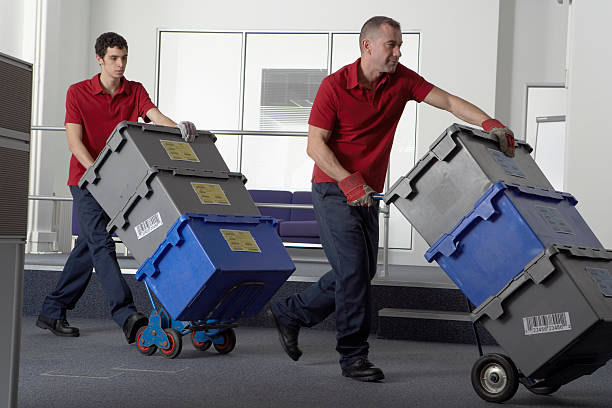
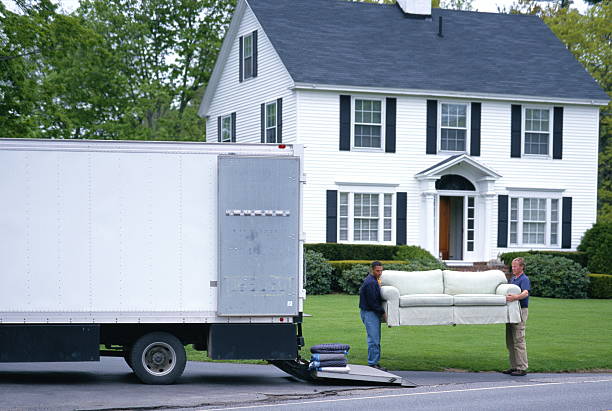
Why Parking Matters for Local Moves in the San Fernando Valley
Finding a legal spot for a moving truck is one of the practical challenges of a local move in Los Angeles and the San Fernando Valley. A truck parked close to the door shortens carry distances, which can reduce the time your crew spends on the job under California’s hourly local-move rules. Long carries or multiple trips from a distant parking spot add labor and can increase the overall cost of the move. In denser parts of the Valley or near apartment buildings, open curb space is not always available when the truck arrives.
Many residential streets in the City of Los Angeles, including Canoga Park, Northridge, Reseda, and other San Fernando Valley neighborhoods, have restrictions on commercial or oversized vehicles. Temporary no-parking signs, issued through the Los Angeles Department of Transportation (LADOT), are one tool residents and movers use to reserve curb space for a specific date and time window. These are not guaranteed in every location or situation, and rules vary by street, district, and even by the day of the week. Always verify current requirements with official city sources before your move date.
Confirm Your Jurisdiction First
Canoga Park and most of the San Fernando Valley communities we serve are within the City of Los Angeles. For those addresses, temporary parking restrictions are handled by LADOT. Other nearby incorporated cities—such as Burbank, Glendale, or Santa Clarita—have their own processes and contacts. If your address is outside the City of Los Angeles, contact that city’s public works or transportation department instead. An LA city permit does not cover another municipality.
You can check whether an address falls inside Los Angeles city limits through official city mapping tools or by calling 311. This step avoids applying to the wrong agency and losing lead time.
When a Temporary No-Parking Permit Can Help
A temporary no-parking arrangement is useful when:
- Street parking is consistently full by the time a crew arrives.
- The street has preferential parking, metered spaces, or other restrictions that limit commercial vehicles.
- You need the truck close to a narrow driveway, apartment entrance, or building with limited loading options.
- You want to reduce the risk of a citation or tow for an oversized or commercial vehicle parked in a restricted area.
You may not need one if the building has a private driveway large enough for the truck, a dedicated loading dock or zone, or a quiet residential block with reliable open curb space at your scheduled time. Some buildings require elevator reservations and a Certificate of Insurance (COI) in addition to any street arrangements; those are separate building rules. See our earlier guide on elevator reservations and COIs for apartment moves in the San Fernando Valley for more on that process.
How the LADOT Process Works
For City of Los Angeles addresses, the primary contact for temporary no-parking signs is LADOT’s Special Traffic Control Division. The phone number listed on the LADOT website FAQ is (213) 485-2298. Hours and exact procedures can change, so call early to confirm current requirements, fees, and timelines.
In general, the process involves:
- Contacting the division several business days (often five or more) before your move. Busy periods or complex locations may need more lead time.
- Providing the exact address or stretch of curb, the date and hours needed, and the approximate length of space required for the truck and any loading ramp or equipment.
- Paying the applicable fee. Amounts vary by length of curb, duration, and other factors. Current fees are listed on LADOT resources or confirmed by phone; do not rely on third-party estimates.
- City staff posting temporary signs in advance of the restriction window. Properly posted signs create an enforceable restriction for that period.
Temporary signs do not override permanent safety restrictions such as red curbs, fire hydrants, bus stops, or no-stopping zones. They also do not automatically supersede every existing preferential parking rule. On move day, if vehicles remain in the reserved space, contact parking enforcement as directed by the city rather than attempting to move them yourself.
Oversized Vehicle and Overnight Considerations
Many residential streets in Los Angeles restrict oversized vehicles—commonly those longer than 22 feet or taller than a certain height—especially overnight between roughly 2 a.m. and 6 a.m. where signs are posted. A standard moving truck often exceeds these dimensions. Daytime loading is more common for residential moves, but confirm any overnight needs separately. Preferential parking districts and street-cleaning schedules add further layers; check posted signs on the specific block.
Commercial vehicles actively loading or unloading may have limited rights in certain zones (for example, yellow commercial loading zones during posted hours), but time limits are short and enforcement is active. Relying on a yellow zone for a full residential move is rarely practical.
Practical Tips for San Fernando Valley Moves
In neighborhoods such as Canoga Park, West Hills, Winnetka, and Reseda, streets are often wider than in denser parts of the city, which can make positioning a truck easier when space is available. Still, popular blocks near schools, parks, or commercial corridors fill quickly. Measure the curb length you need in advance—typically enough for the truck length plus room for the ramp and safe crew movement. Share that measurement with both your mover and the city when requesting a restriction.
Coordinate early with your building management if you are moving into or out of an apartment or condo. Elevator reservations, loading-dock windows, and COI requirements often need to be arranged weeks ahead and are independent of city street permits. On the day of the move, have a contact number for the crew and for parking enforcement ready.
If street space cannot be reserved, discuss alternatives with your moving company: staging items near a legal temporary spot, using a smaller vehicle for the final approach if the street is narrow, or adjusting the start time to avoid peak street-cleaning or rush-hour restrictions. These choices affect timing and cost, so address them during the estimate.
What to Expect on Move Day
Arrive or have the truck arrive during the approved window. Temporary signs should already be posted; if they are missing or incorrect, contact the number provided by LADOT before the crew starts work. Keep the reserved space clear of personal vehicles as well. Once the truck is positioned, the crew can work efficiently. After the move, remove any personal items that might block the curb once the restriction ends.
Document the posted signs with a photo if possible. This can help if a question arises later. Remember that parking enforcement continues for temporary signs; residents and visitors who ignore them can be cited or towed.
Getting Help Coordinating Your Move
Giant Movers 365 is a licensed California moving company based in Canoga Park (MTR 0192654). We handle local moves throughout the San Fernando Valley and Los Angeles area and can discuss parking logistics, elevator timing, and overall scheduling as part of your free estimate. We do not replace the city’s permit process, but early communication helps us plan truck size, crew, and timing around the realities of your street and building.
Call us at 310-988-5051 or request a free quote through our website. Mention any known parking restrictions, building requirements, or preferred dates so we can give you accurate information for your specific situation. Rules and fees change, so always confirm the latest details directly with LADOT or your local jurisdiction before moving day.
Key Takeaways
- Temporary no-parking signs through LADOT can reserve curb space for a City of Los Angeles move when street parking is limited.
- Contact the Special Traffic Control Division at (213) 485-2298 early and verify current fees, timelines, and requirements.
- Confirm your address is inside Los Angeles city limits; other cities have separate processes.
- Temporary restrictions do not override safety zones such as red curbs or fire hydrants.
- Coordinate street arrangements with any building elevator or COI requirements.
- A close, legal parking spot helps control labor time on hourly local moves.
Planning ahead on parking is one of the most practical steps you can take for a smoother San Fernando Valley move. Contact Giant Movers 365 today for a free quote and local guidance tailored to your neighborhood.