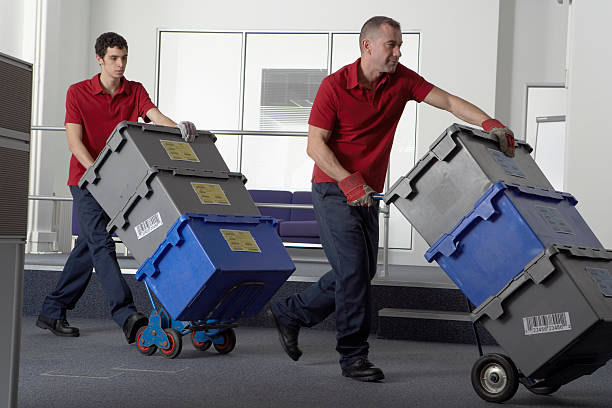
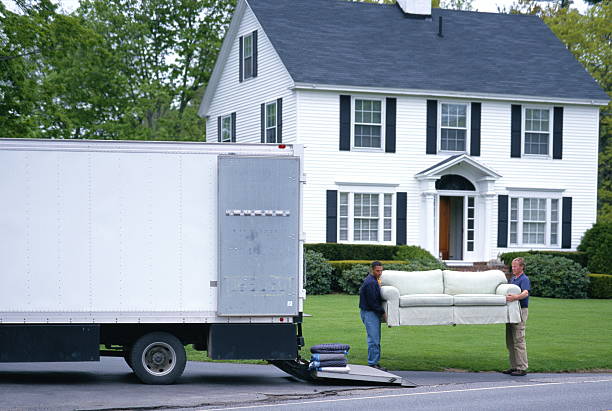
Moving during the holiday season in the San Fernando Valley or greater Los Angeles area adds layers of coordination on top of a typical local move. Traffic increases as people travel for Thanksgiving, Christmas, and New Year gatherings. Parking becomes tighter near residential streets and shopping areas. Apartment and condo buildings often see more reservation requests for elevators and loading docks. Milder winter weather in the Valley helps with outdoor loading compared with summer heat, but shorter daylight hours and holiday schedules still affect timing.
Giant Movers 365, a licensed California carrier based in Canoga Park (MTR 0192654), handles local moves across the Valley year-round. This guide focuses on practical steps that help keep a holiday-period move on schedule and within expected hours. Rules for parking permits, building access, and fees can change, so always confirm current requirements with the City of Los Angeles Department of Transportation (LADOT), your building management, or other local agencies before your date.
Choosing Dates and Start Times Around Holiday Traffic
Los Angeles traffic is consistently heavy, and holiday periods make it more variable. Recent reports have noted elevated congestion during Thanksgiving travel windows, with peak days often falling on the Tuesday and Wednesday before the holiday and the Sunday and Monday afterward. Christmas and New Year travel similarly concentrates on the days immediately surrounding the holidays, while Christmas Eve and Christmas Day themselves sometimes see lighter local traffic.
In the San Fernando Valley, typical weekday peak windows run roughly 6:45–9:15 a.m. and 4:15–7:00 p.m. The 101 Freeway, 405 Freeway through the Sepulveda Pass, and major surface streets such as Ventura Boulevard, Sherman Way, and Topanga Canyon Boulevard can slow significantly. A short local move that stays within the West Valley (for example, Canoga Park to Woodland Hills or Reseda) usually experiences less exposure than a trip that crosses to the Westside or downtown.
Practical timing suggestions include:
- Prefer mid-week dates (Tuesday through Thursday) when possible, avoiding the days immediately before and after major holidays.
- Start early—many crews begin loading between 7:00 and 8:00 a.m. so the drive segment can finish before afternoon peaks.
- If a weekend move is necessary, Saturday mornings are often more predictable than Sunday afternoons.
- Build extra buffer into any estimate that involves freeways. Under California hourly rules, the actual drive time between your two addresses is doubled for billing purposes (double drive time). Longer traffic delays increase the billed hours.
Checking real-time traffic apps on the morning of the move helps, but planning the date and start window in advance is more reliable. End-of-month periods remain busy for movers and buildings regardless of holidays, so combining the two can tighten availability further.
Parking and Temporary Permits During Holiday Periods
Legal curb space for a moving truck remains one of the most practical challenges in Los Angeles and the San Fernando Valley. Narrow residential streets, preferential parking districts, street-sweeping schedules, and limited loading zones make a reserved spot valuable. A truck parked close to the entrance reduces carry distance and helps keep the job within the estimated hours.
Inside the City of Los Angeles, temporary no-parking reservations are handled through LADOT. Applications typically require the exact address or stretch of curb, the date and time window, and the approximate length of space needed. Lead time of at least several business days is recommended; busier areas or holiday periods may need more. Once approved, temporary signs are usually posted 24–72 hours ahead so the reservation is enforceable.
On major national holidays (including Thanksgiving Day and Christmas Day), certain city parking restrictions such as time limits, meters, and day-specific no-parking or street-sweeping rules are often not enforced. However, “No Parking Anytime” signs, red zones, disabled zones, preferential parking districts, and any temporary no-parking signs remain in effect. Always check posted signs and confirm current holiday exemptions directly with LADOT, as rules and enforcement practices can be updated. Fees for temporary reservations also change, so verify the latest schedule.
If your addresses fall outside the City of Los Angeles (some Valley communities have their own parking rules), contact the local jurisdiction. Building managers can often clarify whether a driveway, loading zone, or temporary arrangement is available. Share the confirmed parking plan with your mover at least a couple of days ahead so the crew knows where to stage the truck.
Building Access, Elevators, and Certificates of Insurance
Apartment, condo, and many office buildings in the San Fernando Valley require advance notice for moves. Common steps include reserving the freight elevator or loading dock for a specific window and providing a Certificate of Insurance (COI) from the moving company that names the property as an additional insured. Some buildings also charge reservation fees or deposits and set rules about floor protection, padding, and after-hours access.
Holiday weeks fill reservation calendars faster. Contact building management as soon as your move date is known—ideally four to six weeks ahead for complex properties—and request the move packet, fee schedule, and available windows. Provide your mover’s legal name early so the COI can be prepared and accepted before the reservation is locked. Confirm in writing the reserved time, any restrictions, and what happens if the job runs longer than the window.
Single-family homes typically avoid elevator reservations, but driveway access, HOA rules, and street parking still apply. If an HOA governs the property, review any move-related guidelines early. Coordinating these details reduces the chance of the crew waiting on site, which adds to billed hours under local hourly pricing.
Packing, Preparation, and Efficiency
Thorough preparation has a larger impact during busier periods because extra time on site or on the road compounds. Pack non-essentials well ahead of the move date. Label boxes by room and contents so unloading is faster. Disassemble furniture that can be safely broken down, and set aside hardware in labeled bags. Have a clear path from rooms to the exit and protect floors if the building requires it.
Winter in the San Fernando Valley is generally mild, but occasional rain can occur. Keep tarps or plastic sheeting available for protecting furniture if loading happens in wet conditions, and prioritize indoor staging when possible. Shorter daylight hours mean starting early is even more useful for finishing before dark.
If you need temporary storage between addresses, arrange it early. Storage facilities and mover availability both tighten around holidays. For office moves, the same principles apply, with the added need to minimize business downtime and coordinate IT or utility transfers around holiday closures.
Cost and Timing Considerations
Local moves in California are typically billed by the hour, with a three-hour minimum and additional time in half-hour increments. The clock includes loading, the doubled drive time between addresses, and unloading. At Giant Movers 365, current rates for local moves are $129 per hour for two movers and a truck or $164 per hour for three movers and a truck. Larger crews can finish faster on bigger jobs, which sometimes offsets the higher hourly rate.
Holiday traffic or delayed building access can extend the total hours. Efficient packing, a reserved parking spot close to the door, and a confirmed elevator window help keep the job closer to the original estimate. Ask for a written estimate that outlines the rates, minimum, and how drive time is calculated. Estimates are based on the information provided and are not guaranteed; actual time determines the final charge.
Quick Planning Checklist for a Holiday-Period Valley Move
- Select a mid-week date and early start time that avoids the heaviest travel windows when possible.
- Contact building management for elevator, dock, COI, and fee requirements as soon as the date is set.
- Apply for any temporary parking reservation with LADOT or the local jurisdiction with adequate lead time, and confirm current fees and holiday enforcement rules.
- Pack thoroughly in advance, label boxes clearly, and clear pathways.
- Share addresses, building details, parking plans, and preferred start time with your mover early.
- Review the written estimate and California valuation options before move day.
- Check for street-sweeping or other local restrictions on the specific date.
Get a Free Quote for Your San Fernando Valley Move
Giant Movers 365 is based at 8461 Canoga Avenue in Canoga Park and serves the San Fernando Valley and greater Los Angeles area with local and California intrastate moves. We are available every day from 8 a.m. to 9 p.m. to answer questions and schedule estimates.
For a free quote, call 310-988-5051 or visit giantmovers365.com. Provide both addresses, any known building or parking requirements, the approximate size of the move, and your preferred date so we can give a clear estimate and help coordinate the practical details. Confirming official rules and fees with LADOT and your building remains your responsibility, as these can change.