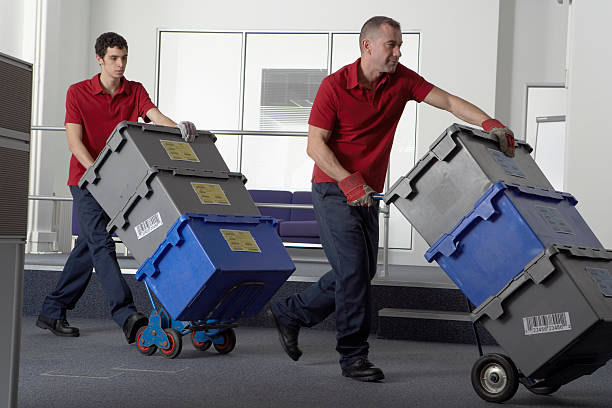
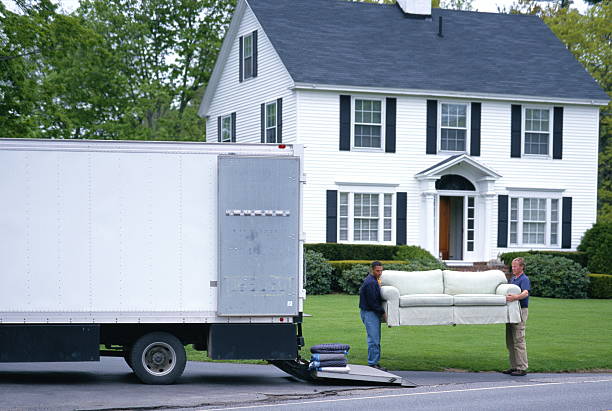
Moving an office in the San Fernando Valley or greater Los Angeles area involves different logistics than a residential move. Businesses must coordinate building rules, minimize downtime for staff and clients, protect equipment and records, and navigate local traffic and parking constraints. Giant Movers 365, a licensed California moving company based in Canoga Park (MTR 0192654), regularly assists Valley businesses with these transitions. This guide focuses on practical steps that apply across many commercial spaces in the Valley, from offices near Warner Center in Woodland Hills to professional suites in Sherman Oaks, Encino, or industrial-flex properties in Chatsworth and Northridge.
Rules and fees change, so always confirm current requirements with building management, the city, and official sources before relying on any general guidance. What works for one property may not apply to another.
Start Planning Early and Assign Clear Roles
Office moves typically benefit from more lead time than house moves. For a small office of roughly 10–20 people, begin detailed planning 6–8 weeks ahead. Larger suites or those with specialized equipment, IT infrastructure, or multi-floor layouts often need 10–16 weeks or more. Early decisions reduce last-minute conflicts with building schedules and vendor availability.
Designate one internal point person or small committee to handle coordination. That person should collect requirements from both the current and new locations, communicate timelines to staff, and serve as the main contact for the moving company. Share details such as approximate square footage, number of workstations, volume of files or equipment, access constraints, and preferred move windows as soon as possible so the crew size and truck can be matched realistically.
Building Requirements: Certificates of Insurance, Elevators, and Loading Areas
Many managed office buildings in the San Fernando Valley and Los Angeles require specific documentation and reservations before a moving crew can enter. These steps are separate from booking the movers themselves.
- Certificate of Insurance (COI): Building managers frequently require a current COI from the moving company that names the property or management company as an additional insured and meets stated liability limits. Common minimums start around $1 million general liability, though some Class A or high-value properties request higher amounts or specific endorsements. Provide the exact certificate-holder name, address, and any required wording to your mover early. Processing can take one to several business days, so do not leave this until the day before. Confirm the document is accepted before the reserved elevator or dock window.
- Elevator or service-elevator reservations: Freight or padded elevators are usually reserved in fixed blocks (often 3–4 hours or a half day). Book these through building management as soon as the move date is firm—many properties fill preferred slots weeks ahead, especially around month-end. Confirm whether the building pads the cab, who controls access, and what happens if the move runs long. Some buildings restrict moves to certain hours or weekdays only.
- Loading docks, service entrances, and parking: Reserve dock or loading-zone time in writing. Note truck height, length, and lift-gate needs. If the building has no dedicated dock, street parking or a temporary no-parking reservation may be necessary. In the City of Los Angeles, temporary permits for moving trucks are handled through the Los Angeles Department of Transportation (LADOT); requirements, fees, and lead times change, so check the current LADOT process directly. Other Valley cities have their own rules.
Document all reservations and approvals. On move day, have contact numbers for building staff available in case access questions arise.
Valley Logistics: Traffic, Parking, and Access
The San Fernando Valley’s layout affects timing. Moves that cross the 101 freeway between the West Valley (Canoga Park, Woodland Hills, Reseda) and central or east Valley destinations (Sherman Oaks, Encino, Burbank) can encounter peak congestion. Surface streets near schools, construction zones, or busy commercial corridors add further delays. Access time—long carries from curb to suite, elevator waits, or security check-in—is billed as working time on hourly moves, not as part of any doubled drive segment under California rules.
Practical steps that reduce wasted time include:
- Confirm legal parking or loading space in advance and re-check street signs a day or two before, as temporary restrictions appear.
- Start earlier in the day when possible to avoid afternoon freeway peaks.
- Provide clear directions, gate codes, and parking instructions to the crew.
- Stage boxes and furniture near elevators or exits so the team spends less time searching.
California’s Maximum Rate Tariff 4 governs how licensed household-goods carriers calculate hourly charges, including the Double Drive Time component (double the actual driving time between origin and destination, plus actual loading and unloading). Office moves are subject to the same framework when performed by a licensed carrier. Review the written estimate carefully and ask questions about how access factors or overtime may affect the total.
Packing, Labeling, and Protecting Business Equipment
Efficient packing reduces both labor time and the risk of damage or lost items. Non-essential items can be packed earlier; critical items such as daily-use computers or active files should stay available until closer to move day.
- Use sturdy boxes sized for their contents and avoid overloading. Label every box on multiple sides with the destination room or person, contents summary, and handling notes (for example, “Fragile – monitors” or “Confidential – locked storage”).
- Back up digital files before disconnecting equipment. Photograph cable setups or label ports so reconnection is faster.
- Pack or crate sensitive electronics, servers, or specialty machines according to manufacturer guidance or with appropriate padding. Some items may need professional crating.
- Secure confidential records in locked or sealed containers and maintain a simple chain-of-custody if required by internal policy.
- Disassemble large furniture only as needed and keep hardware in labeled bags taped to the piece or stored together.
Professional packing services are available if staff time is limited. Discuss materials, fragile-item handling, and any storage needs during the estimate process. Valuation or protection options beyond the basic released-value coverage should be reviewed in the moving agreement before the job begins.
Timing the Move to Limit Business Disruption
Many Valley businesses schedule office moves for Friday evenings, weekends, or after normal hours so operations can resume quickly. Building rules sometimes restrict after-hours access or charge additional fees for extended elevator or dock use—confirm this early. A weekday move can be less expensive and face lighter traffic, but it may require temporary workarounds such as remote work or a staggered transition.
Coordinate IT, telecom, and utility transfers so phones, internet, and power are ready at the new location. Notify clients, vendors, and staff of the temporary disruption and the new address or contact details. Have a small “first-day” kit with essential supplies, credentials, and emergency contacts available immediately after unloading.
After the Move
Walk the new space with the crew or building staff to note any issues while details are fresh. Update addresses with the U.S. Postal Service, California Secretary of State or local business license offices if applicable, banks, insurers, and other parties. Re-test critical systems and schedule any follow-up adjustments.
A well-planned office move in the San Fernando Valley is achievable when building requirements, parking logistics, packing, and timing are addressed in sequence. Giant Movers 365 provides local and California intrastate moving services, including office moves, from our Canoga Park base. We can discuss your specific access needs, provide the required insurance documentation when buildings request it, and work around your preferred schedule.
Request a Free Quote
Call Giant Movers 365 at 310-988-5051 or visit giantmovers365.com to request a free moving estimate. Tell us about both locations, building rules, and your target dates so we can outline crew size, timing, and any special handling. We are available daily from 8 AM to 9 PM.
Always verify a moving company’s California license (ours is MTR 0192654) and review the written agreement and available valuation options before moving day.