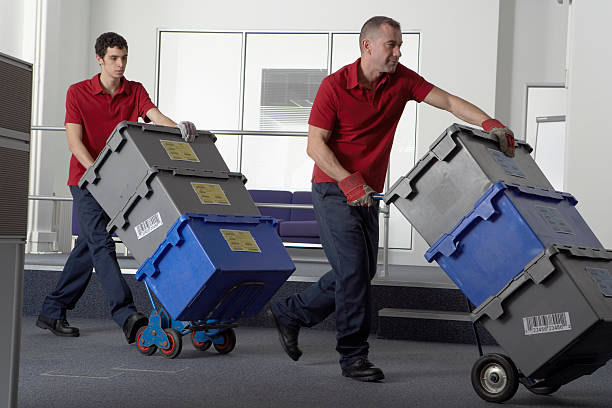
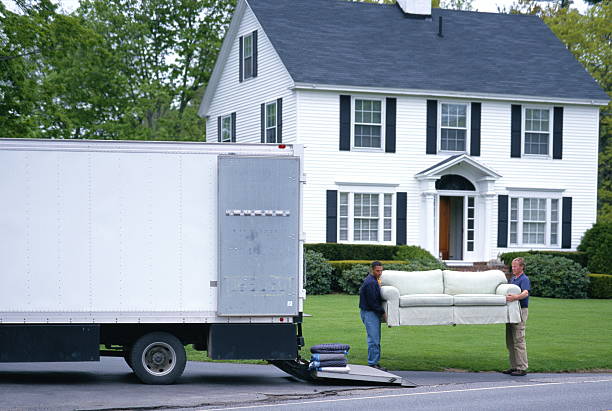
Sherman Oaks sits at the southern edge of the San Fernando Valley, where Ventura Boulevard meets the hills climbing toward Mulholland Drive. It is one of the more convenient Valley neighborhoods for local moves because of its position near the 101 and 405 freeways, yet that same location creates specific logistics challenges. Streets range from flat grid residential blocks north of Ventura Boulevard to steeper, narrower hillside roads south of it. Apartment and condo buildings along and near the boulevard often require advance coordination for elevators and insurance certificates. Parking for a moving truck is rarely straightforward.
This guide covers the practical details that matter most for a local move in Sherman Oaks. Rules and fees change, so verify current requirements with the City of Los Angeles Department of Transportation (LADOT) and with your specific building or HOA before your move date.
Sherman Oaks Layout and Access
Sherman Oaks is effectively two areas in one. North of Ventura Boulevard the streets are mostly flat, laid out in a residential grid with a mix of single-family homes and smaller apartment buildings. South of the boulevard the terrain rises into the hills, with winding streets, steeper grades, and a higher concentration of single-family homes that may have limited driveway or street access for larger trucks.
Ventura Boulevard itself is the commercial spine. It is lined with mid-rise condo and apartment buildings, retail, and restaurants. Many of those residential buildings have loading restrictions, elevator reservation systems, and Certificate of Insurance (COI) requirements. The Sherman Oaks Galleria area and nearby intersections add pedestrian and vehicle activity that can slow loading if parking is not reserved in advance.
Because Sherman Oaks is within the City of Los Angeles, street parking rules and temporary no-parking permits are handled by LADOT rather than a separate city government. This is the same framework used across much of the Valley, but local street conditions (width, slope, existing restrictions) still vary block by block.
Parking and Temporary No-Parking Permits
Most residential streets in Sherman Oaks do not have open curb space large enough for a moving truck during the day. Commercial vehicles are also subject to time limits and restrictions in many residential zones. The practical solution for most moves is a temporary no-parking (or temporary tow-away) permit that reserves a specific length of curb in front of or near the building.
According to City of Los Angeles guidance, requests for temporary tow-away signs must typically be made at least 10 business days in advance (excluding weekends and city holidays). Contact the LADOT Special Traffic Control Division at (213) 485-2298. Signs are normally posted two days before the move date; posting with less than 24 hours of notice generally means the restriction will not be enforced. Fees vary by duration, length of space, and other factors and should be confirmed directly with LADOT, as they are subject to change.
- Have the exact street address, preferred dates and hours, and approximate linear feet of curb needed ready when you call or apply.
- Confirm whether any existing street-cleaning, preferential parking, or other restrictions apply to the block.
- Coordinate with your moving company early so they can size the truck appropriately and confirm the permit details.
A reserved curb space reduces the distance the crew must carry items and keeps the truck out of the travel lane. On narrower or hillside streets this is especially useful. Always check the latest LADOT requirements and application process, as procedures can be updated.
Building Rules: Elevators, COIs, and Move Hours
Many mid-rise and larger apartment or condo buildings near Ventura Boulevard and the Galleria area require advance notice, an elevator reservation, and a Certificate of Insurance from the moving company. Building management or the HOA typically sets the rules. Common requirements include:
- Reserving a freight or passenger elevator for a specific time window (often limited to weekday business hours).
- Providing a COI that names the building or association as an additional insured, with specified liability limits. Lead time is frequently 48–72 hours or more.
- Using protective padding on elevator walls and floor runners in hallways.
- Observing restricted move hours and possible move-in or elevator fees (which may or may not be refundable).
Ask your building manager or HOA for the written move rules as soon as you know your date. Share those requirements with your mover early so the COI can be prepared correctly and the elevator can be reserved. Missing a reservation window often means the move cannot proceed that day, which adds cost and delay. For more general background on elevator reservations and COIs in Valley apartment moves, see our earlier guide on that topic.
Hillside Homes and Driveway Access
South of Ventura Boulevard, many streets climb toward the Santa Monica Mountains and Mulholland Drive. Grades can be steep enough that a fully loaded moving truck needs to be sized carefully and approach angles checked in advance. Narrow streets, tight turns, and limited street parking are common. In some cases the truck must park farther away, increasing carry distance, or a smaller vehicle must be used for a shuttle portion of the load.
If you are moving into or out of a hillside property, share photos of the street, driveway slope, gate clearance, and any overhead obstacles with your moving company before the day of the move. This allows them to recommend an appropriate truck size and crew plan. Flatland streets north of the boulevard are generally more straightforward, but parking permits are still often needed.
Timing Your Move Around Traffic
Sherman Oaks sits near the 101/405 interchange, one of the busier freeway junctions in the region. Peak congestion commonly builds on the freeways and on Ventura Boulevard, Sepulveda Boulevard, and Van Nuys Boulevard during morning and late-afternoon/evening hours. A local move that begins early in the morning (before the heaviest traffic) often finishes in fewer billed hours because travel between locations and loading time are reduced.
California’s Double Drive Time rules still apply to local moves: the time spent driving between the two addresses (and any return) is billed in addition to the on-site labor time. Shorter distances within Sherman Oaks or to nearby Valley neighborhoods keep this portion modest, but traffic delays can still extend it. Starting earlier and avoiding mid-day or late-afternoon freeway crossings when possible is a practical way to manage total time. Confirm current traffic patterns closer to your date, as conditions vary.
Packing and Preparation Tips Specific to the Area
Standard packing practices apply, but a few local factors are worth noting:
- Label boxes clearly by room and note any items that require special handling on hills or stairs.
- If your building requires elevator padding or floor protection, confirm with management whether the mover is expected to supply it or if it is provided.
- For hillside properties, measure large furniture pieces against driveway and street clearance if access is tight.
- Arrange utility transfers and any HOA or building notifications well in advance so move-in day is not delayed by administrative requirements.
Disassembly of larger items and careful packing of fragile goods reduces the risk of damage during longer carries or when navigating stairs and elevators. Our earlier packing strategies guide covers general techniques that work well for Valley local moves.
What to Expect for Costs and Timing
Local move costs in the San Fernando Valley are driven primarily by the number of hours required. Factors that commonly increase time in Sherman Oaks include longer carries from the street to the unit (when parking is limited), elevator waits, stair carries, and traffic between addresses. A well-planned move with a reserved parking spot, pre-reserved elevator, and an early start usually keeps total hours lower.
Request a written estimate based on a walkthrough or detailed inventory. Confirm what is included (truck, crew size, basic protection materials, and travel time) and ask about any building-related fees that may be separate. Because Double Drive Time is part of the billing structure for California local moves, the distance and expected traffic between your two addresses should be part of the estimate conversation.
Getting a Free Quote for Your Sherman Oaks Move
Giant Movers 365 provides local moving services throughout Sherman Oaks and the greater San Fernando Valley. We coordinate the practical details—parking permit guidance, elevator and COI paperwork with building management, and truck sizing for both flat and hillside addresses—so the move stays on schedule.
For a free quote, call 310-988-5051 or visit giantmovers365.com. Share your addresses, preferred dates, inventory overview, and any building or HOA requirements you already know. Early planning is the most reliable way to keep a Sherman Oaks move straightforward and on budget.
Always verify current LADOT permit rules, fees, and posting requirements, as well as the specific policies of your building or HOA, because these details can change.